Tiered Reward Programs Reshaping Player Dynamics in British Gaming Operations
Noah Hartmann · Jun 2, 2026
Tiered Reward Programs Reshaping Player Dynamics in British Gaming Operations
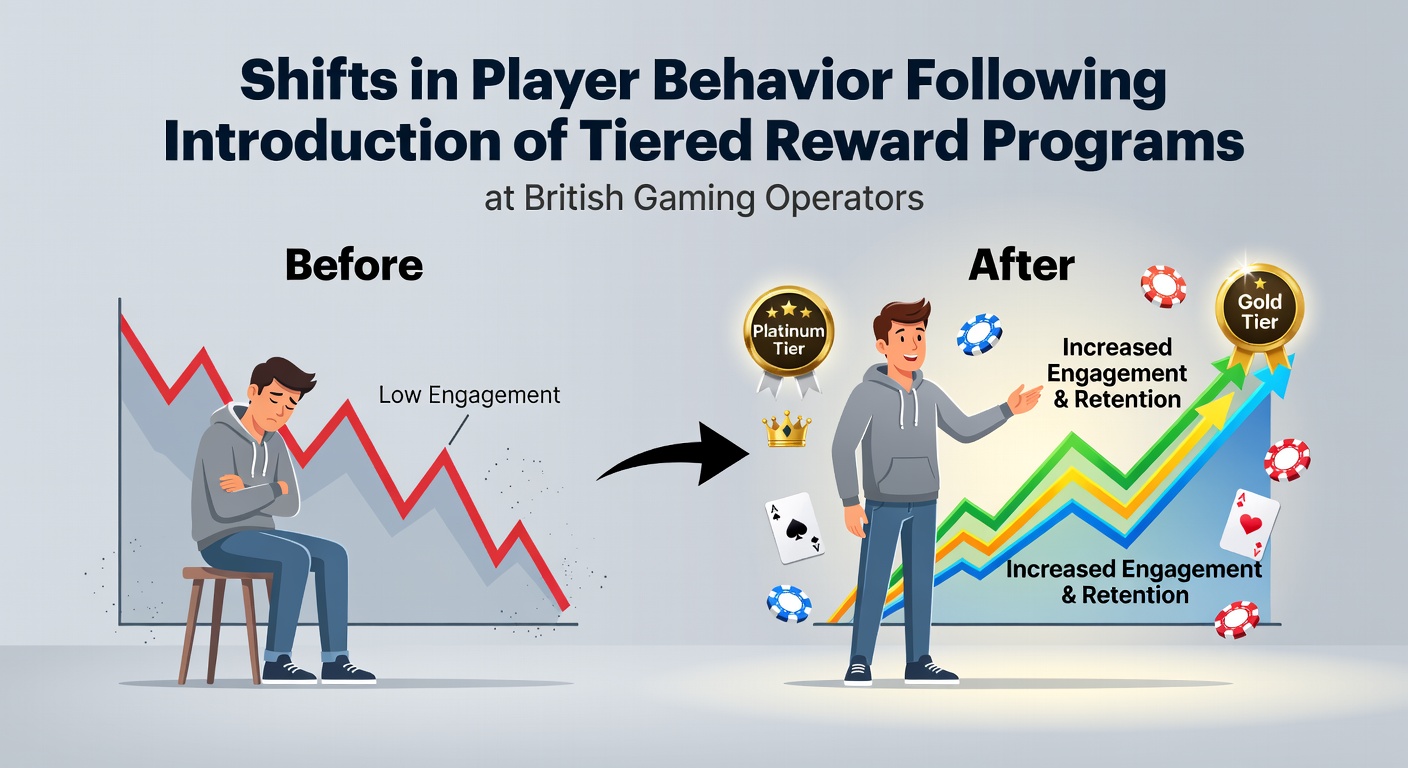
Operators across Britain rolled out tiered reward programs in recent years, and patterns in how players interact with these systems have drawn attention from analysts tracking engagement metrics. Data from multiple platforms shows participants often increase session frequency once they enter initial reward brackets, while progression to higher tiers correlates with sustained activity over longer periods. Researchers tracking these changes note that players tend to adjust deposit sizes and game selections as they climb levels, with many favoring titles that contribute more efficiently toward tier requirements.
Initial Rollouts and Early Adoption Trends
British gaming sites introduced structured loyalty frameworks that divided participants into ascending categories based on cumulative play and spend. Early figures from 2024 and 2025 indicated rapid uptake among regular users, whereas casual visitors showed slower movement through the lower tiers. According to reports compiled by industry monitoring groups, the average time to reach the first elevated tier dropped noticeably within six months of launch on several major platforms, suggesting players actively modified routines to qualify for enhanced benefits.
Those monitoring account activity observed shifts in timing of play, with evenings and weekends seeing higher volumes as users chased daily or weekly targets attached to each tier. Mobile access patterns also evolved, and many operators recorded increased tablet and smartphone sessions among users aiming to maintain streak multipliers. External analyses, including work referenced by the Australian Gambling Research Centre, have compared these behaviors to similar tiered systems introduced elsewhere, finding parallel increases in return visits once reward visibility improved.
Changes in Deposit and Wagering Patterns
Payment data collected after tier introductions reveals adjustments in how frequently and how much players fund accounts. Mid-tier participants often spread deposits across multiple smaller transactions rather than single larger sums, aligning contributions with point-earning windows. Higher-tier members, meanwhile, demonstrate steadier funding habits that support continued eligibility for premium perks such as personalized cashback rates and exclusive event access.
Game-type preferences also moved in measurable ways. Slots with higher contribution percentages toward tier progress gained favor among those climbing ranks, while table games and live dealer options retained steady shares among established high-tier users who already qualified for broader reward menus. June 2026 updates from several operators highlighted further refinements to contribution tables, and subsequent tracking showed modest redistribution of play volume toward newly adjusted titles.
Retention Metrics and Cross-Platform Movement
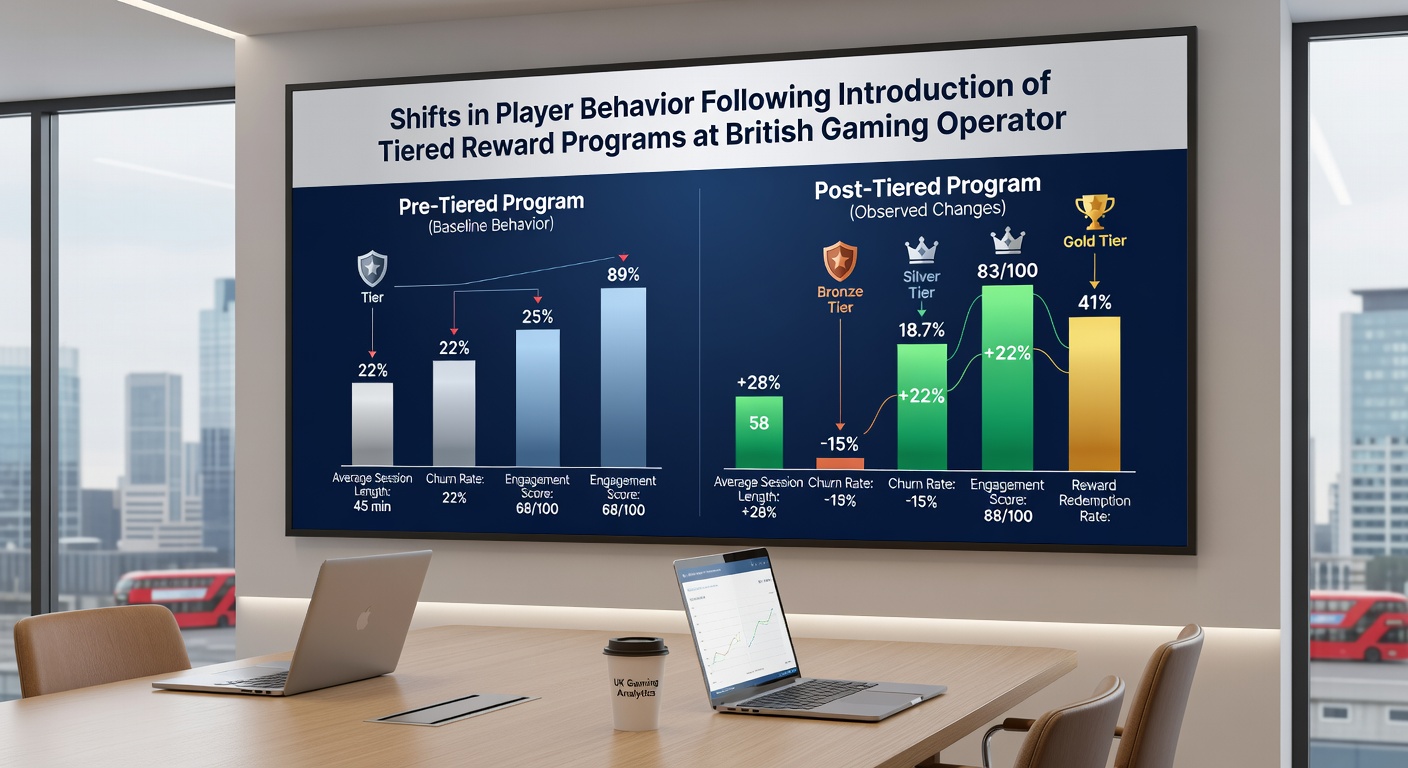
Retention rates climbed for users who reached at least the second tier, with operators reporting longer account lifespans compared with pre-program baselines. Observers tracking multi-site activity noted some migration between operators when competing programs offered faster tier advancement or more attractive milestone bonuses. Yet overall session lengths on individual sites lengthened once players locked into a particular reward ladder, indicating reduced platform switching among committed tier climbers.
Studies referenced by the International Center for Responsible Gaming have examined comparable loyalty structures in other jurisdictions and identified similar retention lifts alongside increased engagement with promotional communications. British operators have incorporated these insights by refining notification schedules and personalizing tier-progress alerts, which in turn correlates with higher open rates and continued play.
Demographic Variations in Response
Age and tenure breakdowns reveal distinct response curves. Longer-tenured users advanced more quickly through tiers and maintained higher average balances once elevated, while newer accounts required additional prompting to begin tier accumulation. Gender splits appear minimal in overall progression speed, though certain game categories show differentiated preferences once users enter upper tiers.
Geographic concentration within Britain also influences behavior, with urban postcodes exhibiting higher mobile-driven tier activity and regional users showing greater reliance on desktop sessions for milestone tracking. These location-based differences have prompted operators to tailor interface elements and reward visibility accordingly.
Conclusion
Introduction of tiered reward programs has produced measurable adjustments in how players engage with British gaming operators, from deposit timing and game selection to retention duration and cross-platform comparisons. Ongoing data collection continues to map these evolutions, and further refinements to program structures are expected as operators respond to observed patterns.