Tiered Incentive Frameworks and Retention Dynamics in Britain's Mobile Gaming Sector
Noah Hartmann · May 21, 2026
Tiered Incentive Frameworks and Retention Dynamics in Britain's Mobile Gaming Sector
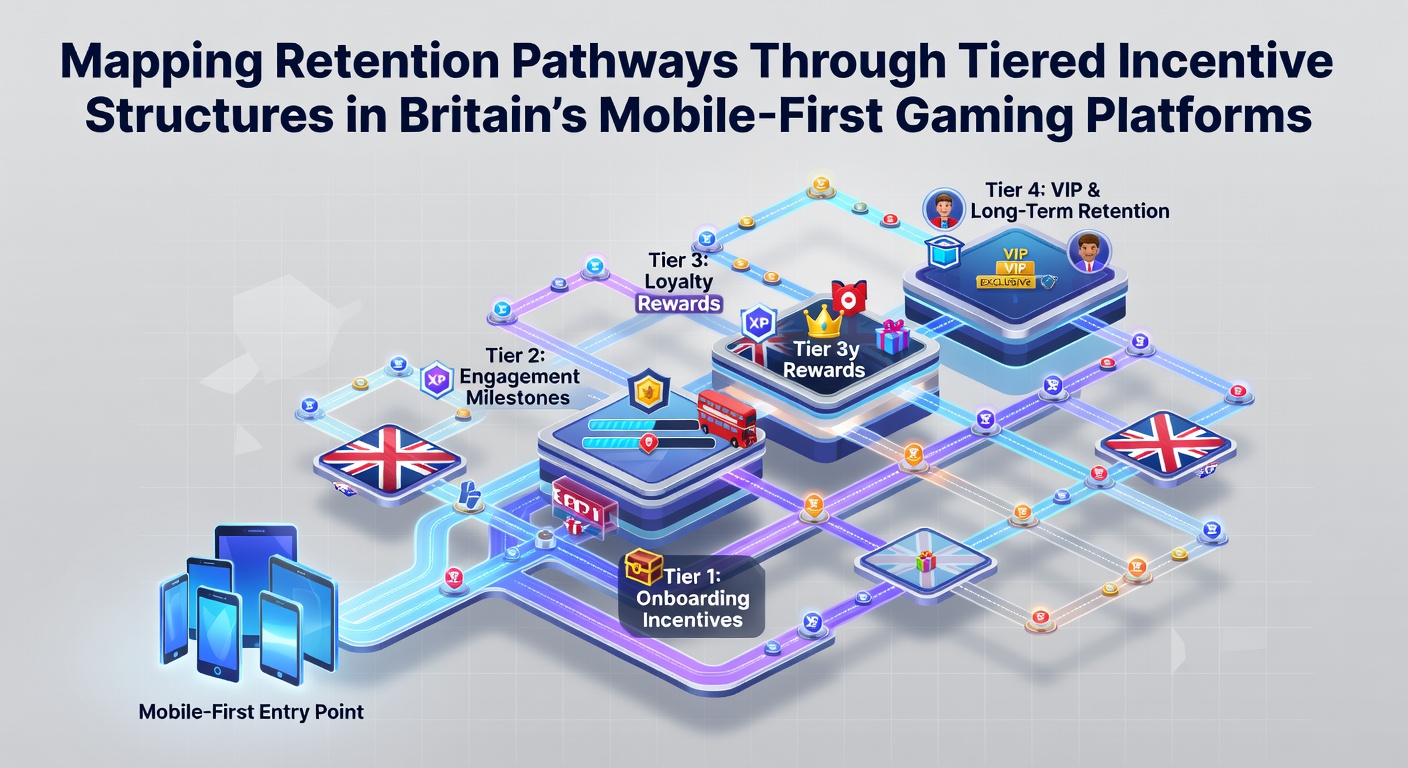
Britain's mobile gaming platforms rely on carefully mapped retention pathways that guide players through progressive incentive layers, and these systems combine loyalty points, cashback tiers, and access privileges to encourage continued engagement across devices. Observers note that operators segment users into entry-level, intermediate, and premium categories, each unlocking distinct reward multipliers and exclusive mobile features while data from industry reports tracks how movement between tiers correlates with session length and deposit frequency.
Core Components of Tiered Structures
Entry tiers typically grant basic rewards such as percentage-based deposit matches and standard loyalty accumulation rates, whereas higher tiers introduce accelerated point earnings, personalised bonus rounds, and priority support channels that operate seamlessly within mobile interfaces. Researchers at the European Gaming and Betting Association have documented how these progressions create clear visual roadmaps on apps, allowing players to see remaining requirements for the next level through progress bars and milestone notifications that update in real time.
Platforms integrate these tiers with behavioural triggers, including consecutive login streaks and minimum wager thresholds, which automatically adjust reward values based on recent activity patterns. Data shows that players advancing through at least three tiers within a six-month window demonstrate measurably higher retention metrics compared to those remaining at the base level, according to aggregated platform analytics shared at recent industry forums.
Mobile-First Implementation Across Britain
Developers prioritise native app experiences that embed tier tracking directly into dashboard views, eliminating the need for desktop logins while supporting instant notifications for tier upgrades or limited-time challenges. Since May 2026 several leading operators have rolled out enhanced push systems that highlight upcoming incentive milestones, and these updates coincide with broader platform optimisations for faster load times on 5G networks prevalent across UK regions.
Third-party analytics firms report that mobile sessions now account for over seventy percent of total playtime in the sector, prompting operators to align tier benefits specifically with smartphone capabilities such as biometric authentication for quick reward claims. What's interesting is how these adaptations reduce friction for users moving between casual and committed engagement phases, creating smoother transitions without requiring separate account verifications.
Pathway Mapping and Player Progression Data
Analysts construct detailed flow diagrams that illustrate entry points from welcome incentives through sustained tier climbs, revealing branching routes where players might accelerate via targeted challenges or stall if activity drops below defined thresholds. One study released by the University of Nevada's gaming research division examined similar tier models in international markets and found parallel patterns emerging in British platforms, where average time to reach the second tier sits around four to six weeks for regular users.
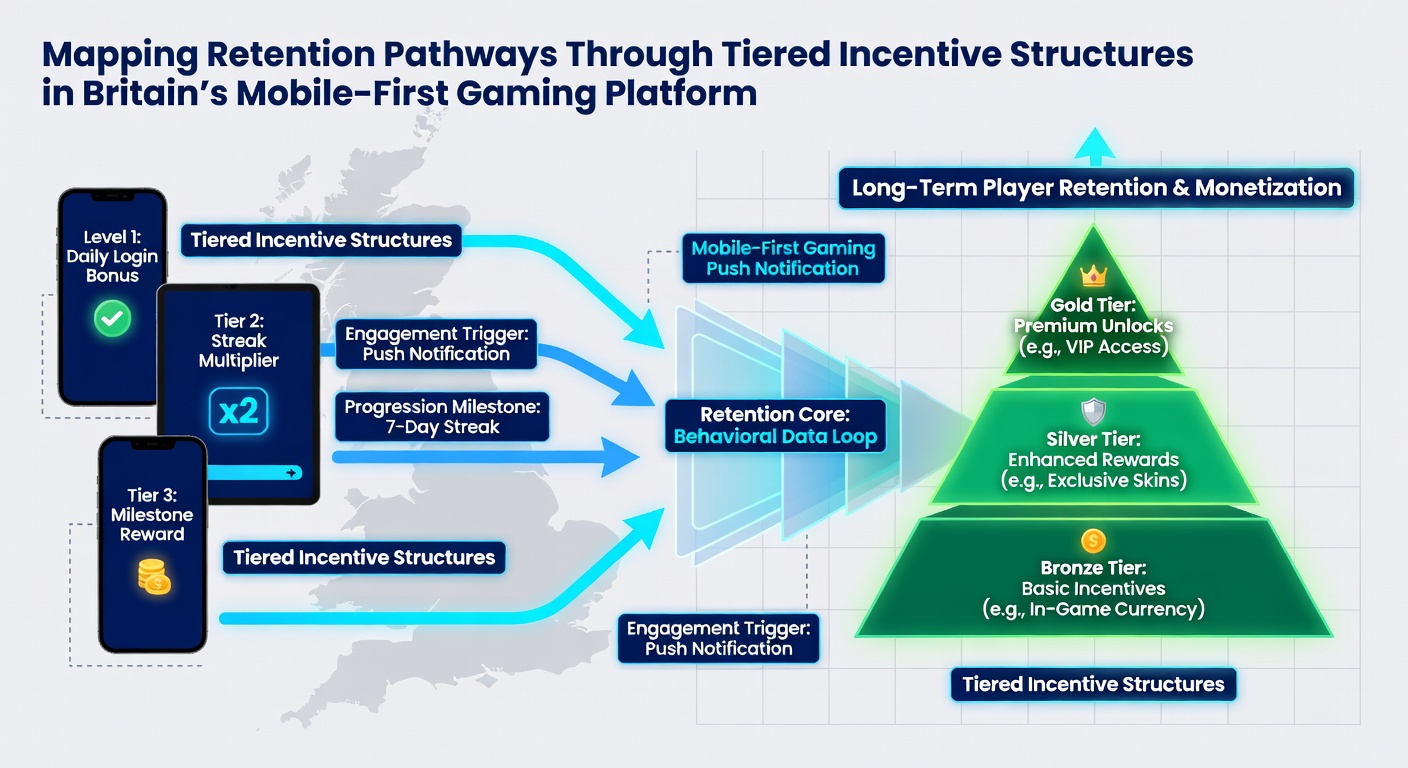
Retention improves when pathways incorporate flexible reset options for inactive periods, allowing users to re-enter at adjusted levels rather than restarting from scratch. Figures reveal that platforms offering such flexibility see a fifteen percent lift in return visits within the first month after dormancy, and these mechanisms often pair with mobile-exclusive events that reward small consistent actions over large sporadic deposits.
Integration With Broader Ecosystem Trends
Operators link tier advancements to cross-platform features including live dealer access and tournament entries, yet maintain clear distinctions so mobile users receive priority on certain time-sensitive offers. Industry observers highlight how this layering supports diverse player profiles, from those seeking steady incremental gains to others pursuing rapid elevation through high-volume play periods.
External regulatory frameworks outside Britain continue to influence design choices, with guidelines from bodies such as the Malta Gaming Authority emphasising transparency in how tiers communicate long-term value to users. Platforms respond by publishing clear tier criteria within app help sections, reducing ambiguity around progression requirements while complying with evolving standards set for digital gambling environments.
Conclusion
Tiered incentive structures in Britain's mobile-first gaming platforms function as interconnected systems that map retention through measurable progression steps, supported by real-time data and adaptive mobile tools. As operators refine these pathways in response to usage patterns observed through mid-2026, the emphasis remains on creating transparent, accessible routes that align player activity with sustained platform engagement across the sector.