The Incentive Trail: How Entry Bonuses Guide Users Toward Real-Time Dealer Play on Handheld Platforms
Felix Bennett · Jul 14, 2026
The Incentive Trail: How Entry Bonuses Guide Users Toward Real-Time Dealer Play on Handheld Platforms
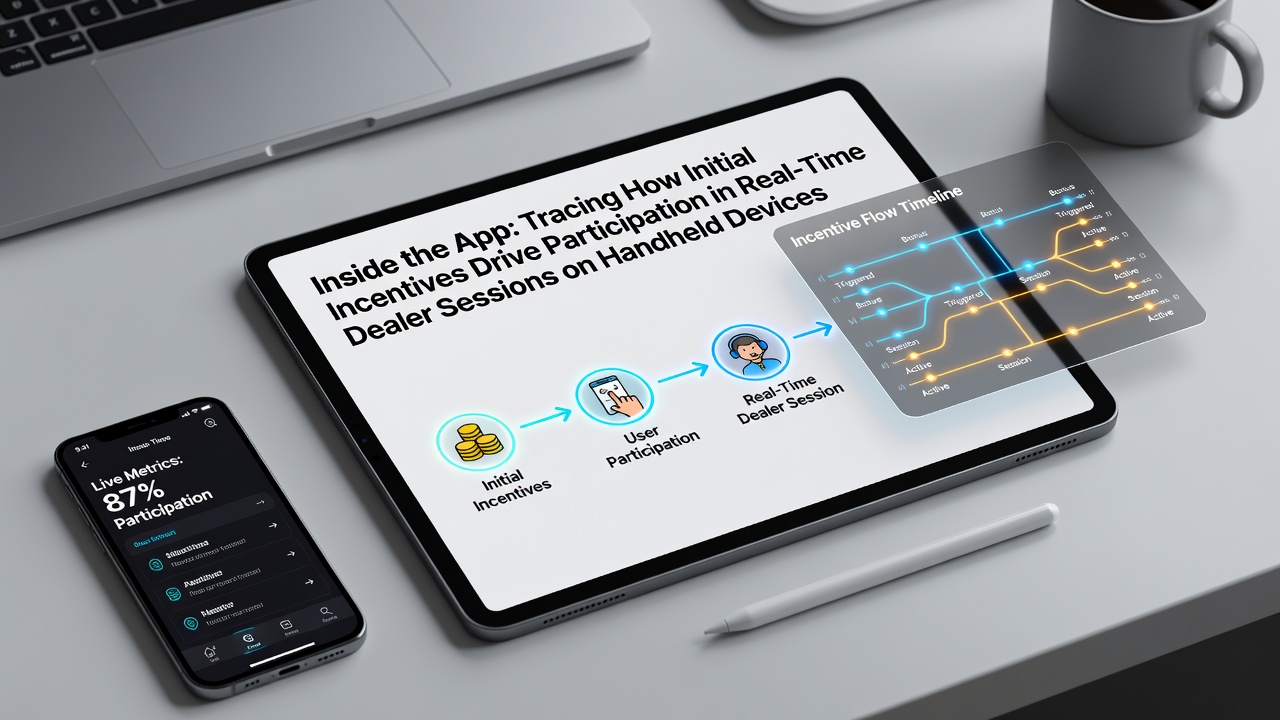
Initial incentives in mobile casino applications operate as entry mechanisms that direct user attention toward real-time dealer sessions on handheld devices, and data from industry tracking systems show how these rewards shape participation patterns throughout 2026. Observers note that welcome offers and no-deposit credits appear at the onboarding stage, and they connect directly to live table access points within the same interface. Research indicates these prompts reduce the steps between account creation and active play, while figures from app analytics platforms reveal higher session starts when incentives align with dealer game categories.
Mechanics of Initial Rewards in Mobile Environments
Applications structure entry-level bonuses as credits or spins that activate upon first deposit or registration, and these elements often include direct pathways to live dealer rooms featuring blackjack, roulette, and baccarat. Users receive notifications that highlight available tables, yet the rewards carry wagering conditions that extend play duration. Studies from gaming research groups demonstrate that such conditions encourage repeated logins on portable devices, because completion metrics tie back to the original incentive value. In July 2026, several platforms updated their mobile interfaces to display real-time progress toward requirement thresholds, and this change coincided with measurable increases in dealer session frequency across tracked user cohorts.
Pathways from Starter Offers to Live Participation
Users typically encounter bonus prompts on the home screen immediately after download, and the design funnels them through simplified menus that prioritize live dealer categories over other game types. Data shows that when an initial credit applies specifically to table games, completion rates for first sessions rise compared with slot-focused rewards. One analysis of app usage logs found that handheld players who claimed mobile-exclusive incentives spent longer intervals in dealer environments, and they returned at higher rates during evening hours. The structure relies on push notifications that remind users of remaining bonus time, and these alerts integrate with device calendars to maintain engagement momentum.
Device-Specific Features Supporting Sustained Activity
Handheld platforms incorporate touch-optimized controls and vertical video feeds for dealer streams, and these adaptations work alongside incentive systems to keep participants connected during live rounds. Battery and data usage indicators appear within bonus trackers, which helps users manage extended sessions without abrupt exits. Reports from hardware integration studies highlight how low-latency streaming pairs with reward timers, and this combination supports continuous participation even on variable network connections. In practice, players who start with entry incentives often transition to higher-stake tables once initial requirements near completion, and app telemetry captures these shifts as distinct progression events.
Patterns Observed Across User Segments
Segmentation data reveals that new registrants respond most strongly to time-limited incentives, whereas returning users show steadier engagement when rewards stack with loyalty tiers. Analysts tracking activity in mid-2026 noted that handheld sessions initiated through bonus routes lasted an average of 18 minutes longer than non-incentivized entries, and they produced more table switches within single logins. Geographic variations appear as well, with certain regions displaying stronger uptake of live dealer options when incentives include region-specific payment bonuses. These differences trace back to local regulatory frameworks that influence how apps present reward terms at the outset.
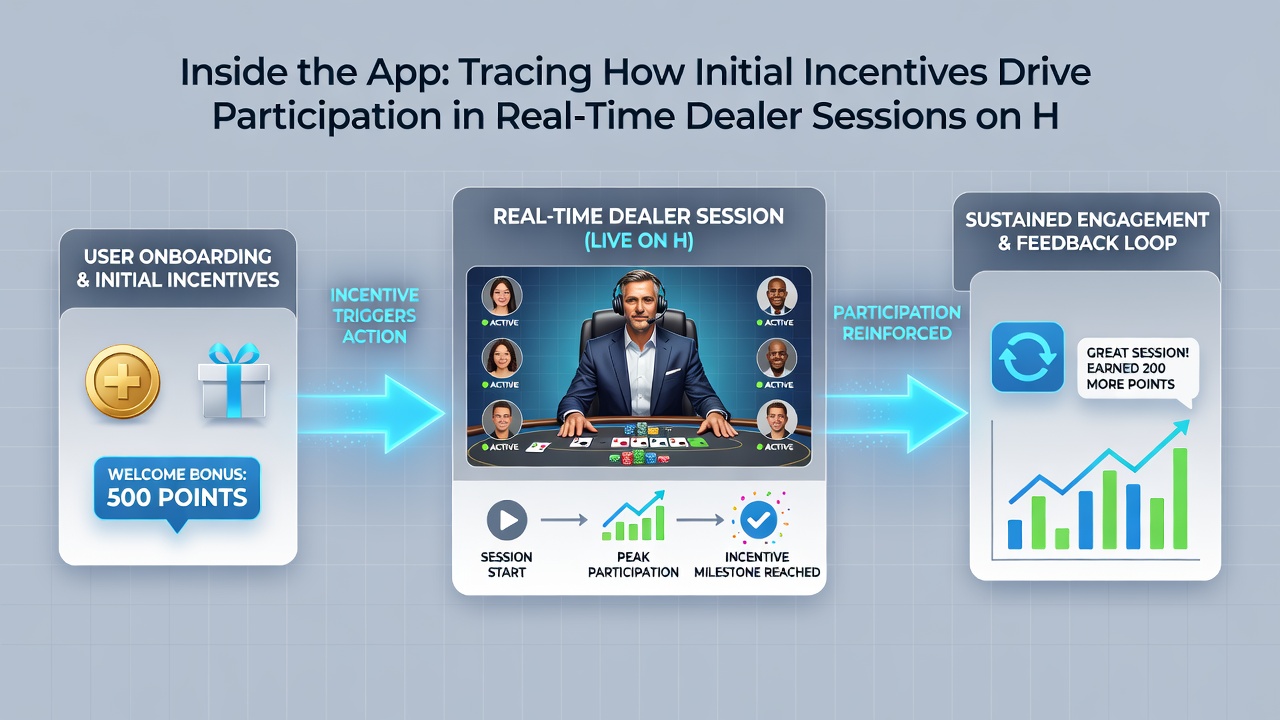
But here's the thing: completion of early incentives frequently unlocks additional live dealer features such as private table invites or accelerated payout processing, and these secondary benefits reinforce continued mobile usage. Observers tracking July 2026 trends reported that platforms testing stacked incentives saw participation curves flatten less sharply after the first week, because users encountered fresh prompts tied to prior activity. The pattern holds across multiple operating systems, although iOS implementations sometimes display stricter notification controls that affect reminder frequency.
Integration with Broader Platform Ecosystems
Applications connect initial incentives to broader account systems that track cross-device activity, and this linkage allows live dealer progress to carry forward when users switch between handheld and other formats. Industry reports from the Nevada Gaming Control Board document similar incentive flows in regulated markets, while data compiled by the Responsible Gambling Council in Canada examines how early rewards influence session length across portable interfaces. These connections help maintain consistent participation metrics even as regulatory environments evolve.
Conclusion
Entry incentives function as structured gateways that orient handheld users toward real-time dealer sessions, and the mechanisms rely on interface design, notification timing, and progressive reward structures. Records from app monitoring tools and regulatory filings confirm that these elements correlate with measurable differences in participation volume and duration. Continued observation through late 2026 will clarify how further refinements to mobile bonus delivery affect long-term engagement patterns in live dealer environments.