Portable Platforms and Tiered Incentives Shape Dynamics in Licensed British Gaming Venues
Freya Fischer · Aug 11, 2026
Portable Platforms and Tiered Incentives Shape Dynamics in Licensed British Gaming Venues
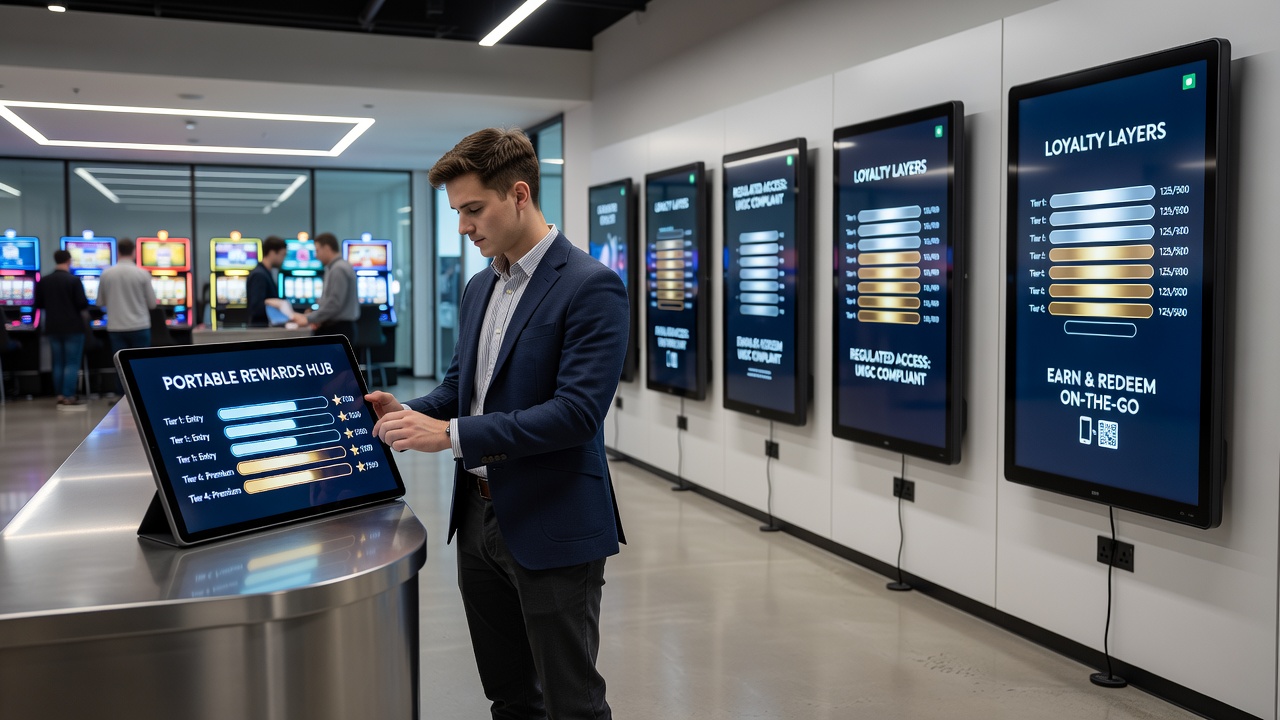
Portable platforms have integrated deeply with layered reward systems across regulated British venues since the expansion of mobile gaming infrastructure in the mid-2020s, and data from industry reports show that operators now deliver personalized incentives through smartphone applications and tablet interfaces while maintaining compliance with venue licensing requirements. These systems combine welcome packages, loyalty points accumulation, and progressive VIP tiers that unlock additional benefits as users advance through activity thresholds, and researchers at academic institutions tracking digital gambling trends note that such layering encourages sustained engagement without violating stake or promotional limits set by oversight bodies.
Mobile Access Expands Reach in Licensed Settings
Users access live dealer tables, slot libraries, and sports betting markets directly through dedicated applications that sync with on-site systems in British casinos and betting shops, which allows seamless transitions between physical and digital participation. According to figures released by the European Gaming and Betting Association, mobile sessions accounted for over 65 percent of total gambling activity in licensed UK operations by early 2026, and this shift prompted venues to embed reward notifications, geofenced offers, and progress trackers within the same portable interfaces. Observers note that operators adjusted backend systems to recognize device-based logins and award points in real time, which in turn feeds into multi-level programs where basic participation unlocks entry-level perks while higher volumes trigger cashback tiers or exclusive event invitations.
Layered Structures Build Retention Through Progressive Benefits
Layered reward systems operate on graduated scales that start with no-deposit credits or matched deposits and extend to long-term loyalty ladders that adjust payout rates and withdrawal speeds based on cumulative play, and studies compiled by the Responsible Gambling Council in Canada indicate that such structures correlate with measurable increases in session duration when paired with mobile tracking tools. Venues in Britain adopted these models to differentiate offerings amid competition from unregulated markets, yet they maintain audit trails that document every tier advancement and redemption to satisfy regulatory audits. What's interesting here is how the same application that handles deposits and gameplay also displays tier status, pending rewards, and upcoming milestones, creating a unified experience that reduces friction between play and benefit collection.
Integration Patterns Emerge in August 2026 Operations
By August 2026, multiple licensed operators had rolled out combined platforms where portable devices serve as the primary conduit for both gameplay and reward management, and internal metrics shared through trade associations reveal that users who engage via mobile complete tier requirements at rates 28 percent higher than desktop-only participants. These platforms use location data from regulated venues to trigger on-site bonuses such as instant free spins or loyalty multipliers, while remote sessions accumulate points toward broader VIP status that carries across channels. Experts tracking these developments highlight that the technical architecture relies on secure APIs linking game servers with customer relationship management databases, ensuring that every spin, wager, or table session contributes accurately to the layered structure without manual intervention.
Technical and Compliance Frameworks Support the Model
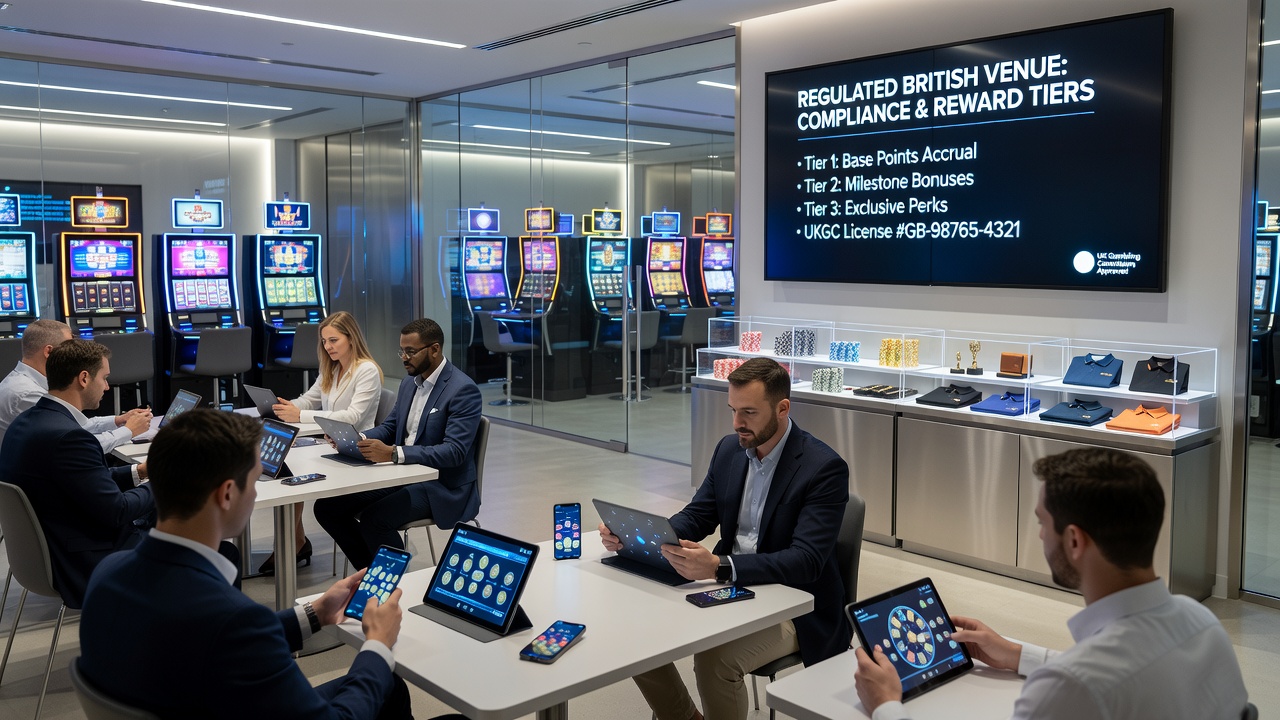
Security protocols embedded in portable applications encrypt transaction histories and reward balances, which satisfies requirements from multiple European regulatory frameworks while allowing operators to verify eligibility for each tier in real time. Industry reports from the American Gaming Association further document that similar integrations in other jurisdictions reduced administrative overhead by automating tier calculations, and British venues adopted parallel approaches to handle high volumes of mobile traffic during peak hours. The ball's in the operators' court to maintain transparent communication about how points convert across different game types, and those who've studied implementation patterns observe that clear in-app explanations correlate with higher user retention across loyalty levels.
Future Trajectories for Portable and Reward Systems
Continued refinement of these combined systems appears likely as operators test new features such as augmented reality overlays for tier progress or AI-driven suggestions for reward redemptions that align with individual play histories. Data collected through August 2026 shows steady growth in cross-platform consistency, where rewards earned on portable devices apply equally at physical terminals, and this parity supports broader participation without creating separate tracking silos. Research institutions monitoring the sector emphasize that the interplay depends on robust data integration rather than isolated promotional tactics, and venues that prioritize unified mobile-reward ecosystems continue to report stable compliance records alongside revenue figures.
Conclusion
The documented expansion of portable platforms alongside layered reward systems in regulated British venues reflects a coordinated evolution driven by technical capability and market competition. Figures from multiple international sources confirm that mobile delivery channels now handle the majority of tier progression activity, while operators maintain detailed records to align with licensing standards. Those monitoring developments through late 2026 expect further refinements in how applications present and distribute progressive benefits, yet the core structure of synchronized gameplay and reward tracking remains consistent across licensed operations.