Charting Advancement Routes via Layered Reward Systems in Licensed UK Casino Environments
Sage Hartmann · May 30, 2026
Charting Advancement Routes via Layered Reward Systems in Licensed UK Casino Environments
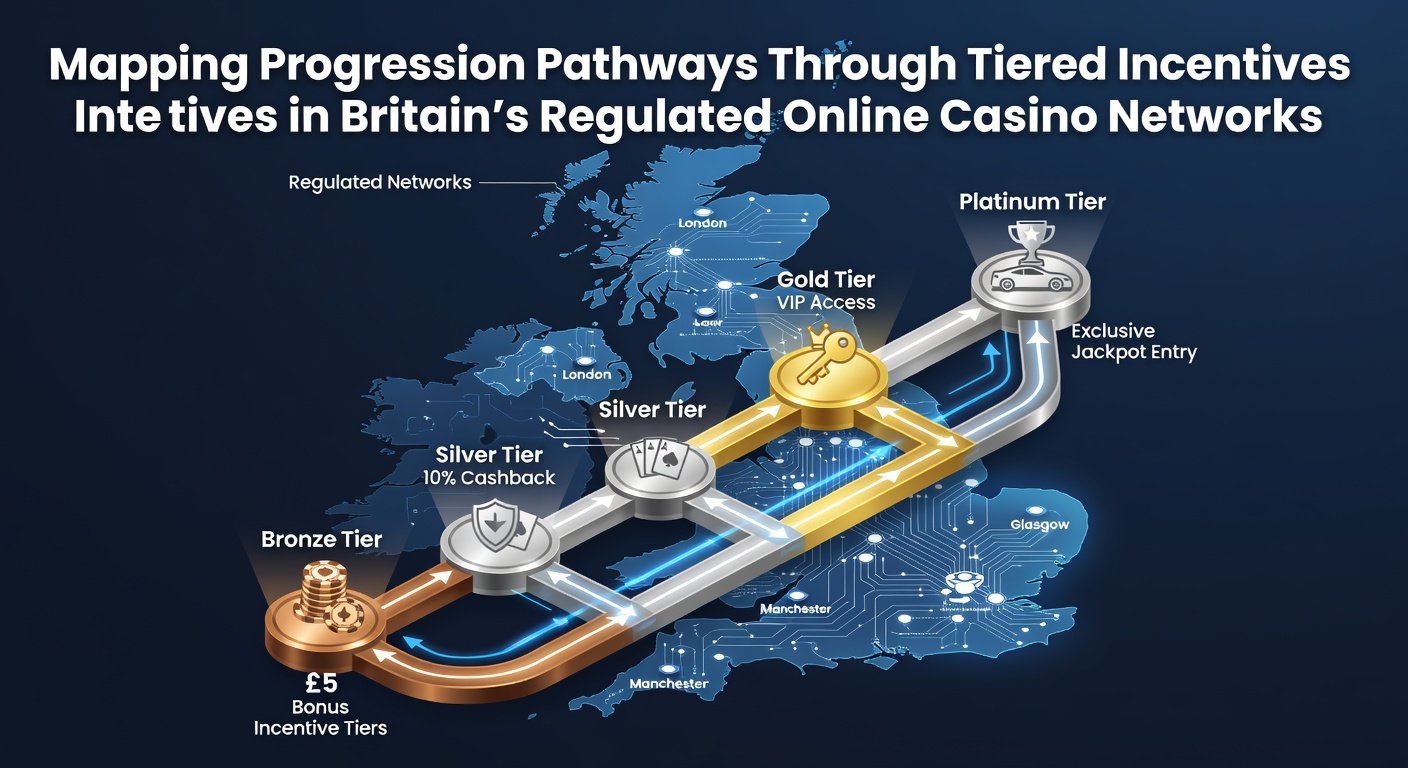
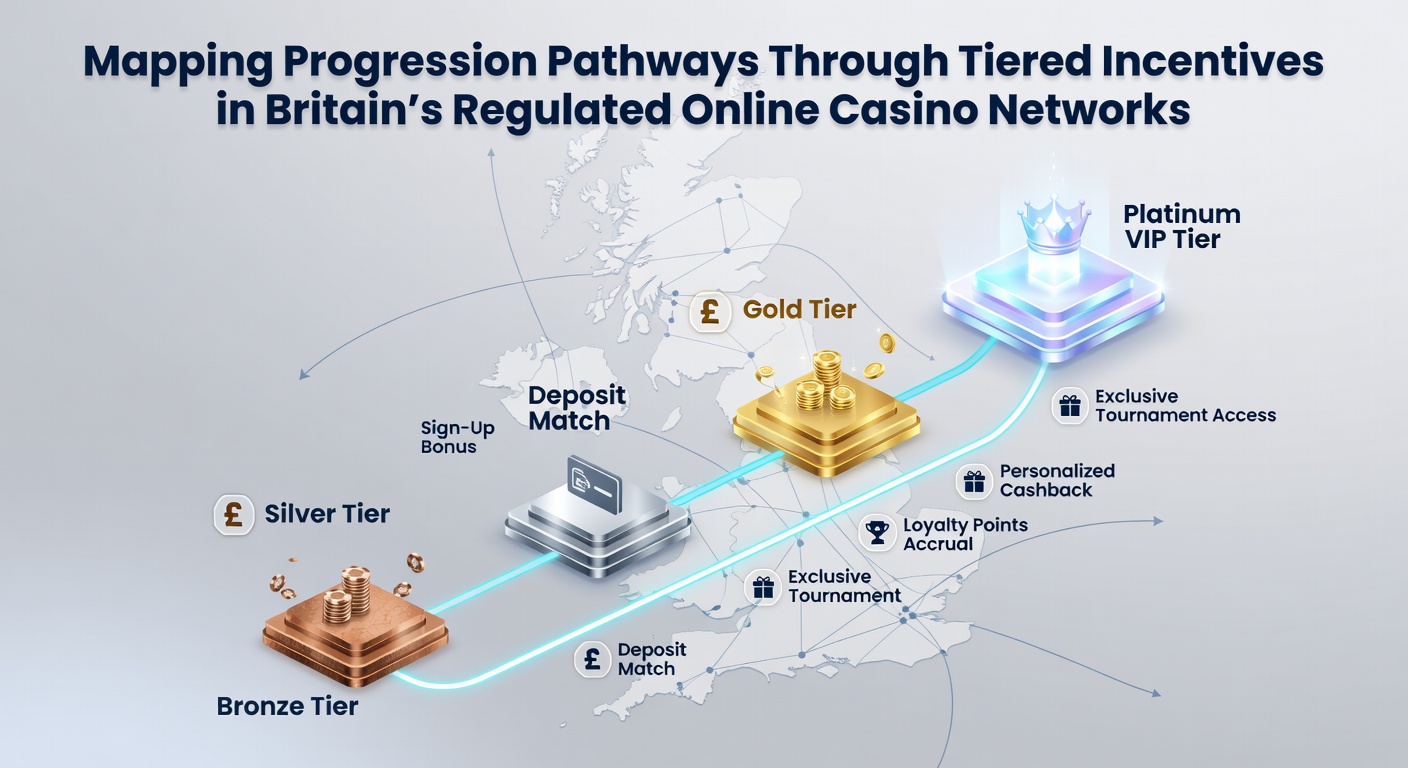
Regulated online casino networks across Britain operate through structured incentive frameworks that guide player movement from initial entry points toward higher engagement levels, and these systems rely on clearly defined tiers that allocate rewards based on activity metrics such as deposit frequency, wager volume, and session duration. Data from industry reports shows operators implement progression pathways where participants advance through bronze, silver, gold, and platinum categories, each unlocking distinct benefits including enhanced cashback percentages, exclusive event access, and personalized support channels.
Researchers have documented how these tiered models integrate with regulatory requirements to maintain transparency around wagering obligations and eligibility criteria, while participants often discover that early-stage incentives focus on welcome packages that convert into sustained loyalty structures as activity accumulates. According to findings from the Australian Institute of Criminology, similar layered approaches in comparable jurisdictions demonstrate measurable retention improvements when reward thresholds align with realistic play patterns rather than aggressive volume targets.
Core Components of Tiered Progression Models
Operators structure these pathways around quantifiable benchmarks that include total wagered amounts, login consistency, and game variety participation, and each benchmark feeds into an algorithmic assessment that determines tier elevation timing. Evidence from academic analyses indicates that progression typically occurs after 30 to 90 days of consistent engagement, depending on the operator's specific criteria and the participant's chosen game categories.
What's interesting is how mobile integration has accelerated these pathways since platform updates in early 2025 allowed real-time tracking of tier status through dedicated applications, and this shift has coincided with increased participation rates in live dealer formats. Observers note that reward layers at mid-tier levels often incorporate hybrid elements combining deposit matches with free spin allocations, which in turn feed back into the progression calculation.
Regulatory Context and Data Tracking Practices
British regulatory frameworks require clear disclosure of how incentives map onto player accounts, and operators must provide accessible dashboards that display current tier status alongside projected advancement timelines. Figures from European regulatory summaries released in May 2026 reveal that licensed platforms processed over 2.4 million tier advancement events during the preceding twelve months, reflecting steady growth in structured reward participation.
Those who've examined cross-border comparisons find that British networks emphasize consumer protection measures within incentive designs, such as mandatory cooling-off periods between tier upgrades and spending limit reminders tied to reward claims. Industry organizations like the European Gaming and Betting Association have published guidelines that encourage operators to publish average progression timelines, helping participants understand realistic pathways without overcommitment.
Examples of Pathway Implementation Across Networks
One documented case involves a major platform where entry-level participants receive initial spin allocations that count toward silver tier qualification once cumulative wagers reach £500 within a calendar month, and this structure extends further as gold tier unlocks additional live casino table access with reduced house edge promotions. Data indicates that approximately 18 percent of active accounts achieve gold status within six months under these parameters.
Another network employs a points-based system where each wager generates tier points at varying rates depending on game type, with slots contributing at a standard multiplier while table games receive accelerated rates, and this differentiation encourages diversified play patterns that align with broader network objectives. Researchers discovered through longitudinal tracking that such differentiated systems correlate with longer average session lengths across participant cohorts.
Yet the reality is that external factors including seasonal promotions and partnership events can temporarily alter standard progression speeds, and operators publish these adjustments through notification systems to maintain compliance. A study from the University of Nevada Gaming Research Center highlighted how transparent communication around these variables supports sustained engagement without encouraging excessive play volumes.
Future Developments in Incentive Mapping
Technological advancements continue to refine how operators visualize and communicate progression pathways, with several networks testing predictive modeling tools that forecast tier advancement dates based on current activity trajectories. These tools integrate with existing account interfaces while adhering to data protection standards established under broader digital service regulations.
Evidence suggests ongoing collaboration between operators and independent auditors to verify that tier calculations remain accurate and free from manipulation, and this verification process occurs through quarterly reviews that examine sample account histories against published criteria. Participants benefit from these checks through improved trust in the fairness of reward distribution mechanisms.
Conclusion
Mapping progression pathways through tiered incentives reveals a systematic approach that connects initial participation with long-term engagement structures within Britain's regulated online casino networks, and available data demonstrates consistent implementation across multiple operators. External research from varied international sources continues to inform refinements in these models, while regulatory updates scheduled for later periods will likely introduce additional transparency requirements around advancement metrics and reward valuation. The overall framework supports structured player movement while maintaining alignment with established operational standards.