Britain's Casino Scene: The Shift from Free Spin Offers to High-Stakes Mobile Live Gaming Experiences
Noah Hartmann · Jul 23, 2026
Britain's Casino Scene: The Shift from Free Spin Offers to High-Stakes Mobile Live Gaming Experiences
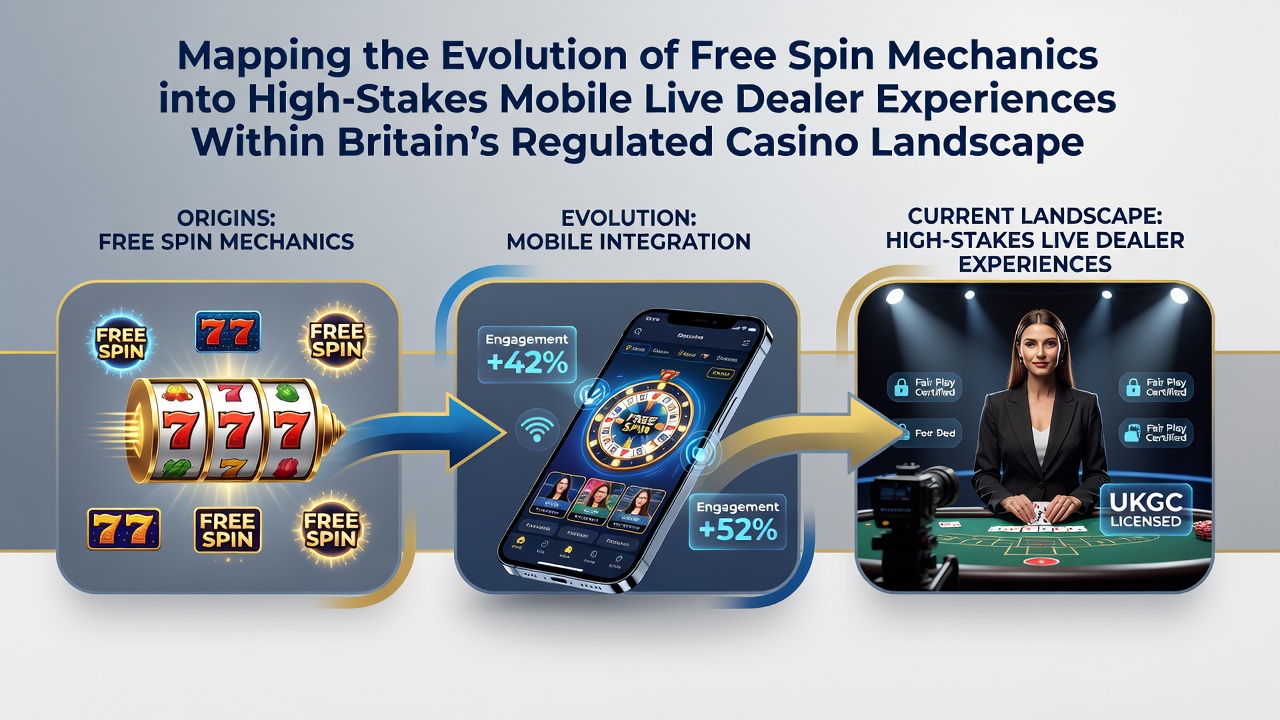
Britain's regulated casino landscape has seen free spin mechanics develop over multiple decades into integrated components of high-stakes mobile live dealer platforms, and data from industry reports tracks this progression through changes in player engagement patterns and platform capabilities. Observers note that early implementations focused on reel-based bonuses while later adaptations incorporated real-time video streams and mobile interfaces that allow seamless transitions between simple spins and table games with elevated wager limits.
Early Development of Free Spin Features in UK Markets
Initial free spin mechanics appeared in land-based slot machines during the 1990s, and these systems awarded extra rounds without additional stakes to extend play sessions. Research from academic studies on European gambling trends indicates that operators integrated similar elements into online platforms by the mid-2000s, where players received predetermined numbers of spins tied to deposit thresholds or loyalty tiers. Those who've examined regulatory filings from that period find that the mechanics emphasized accessibility, with payout structures designed around fixed multipliers that appealed to a broad audience before mobile technology reshaped delivery methods.
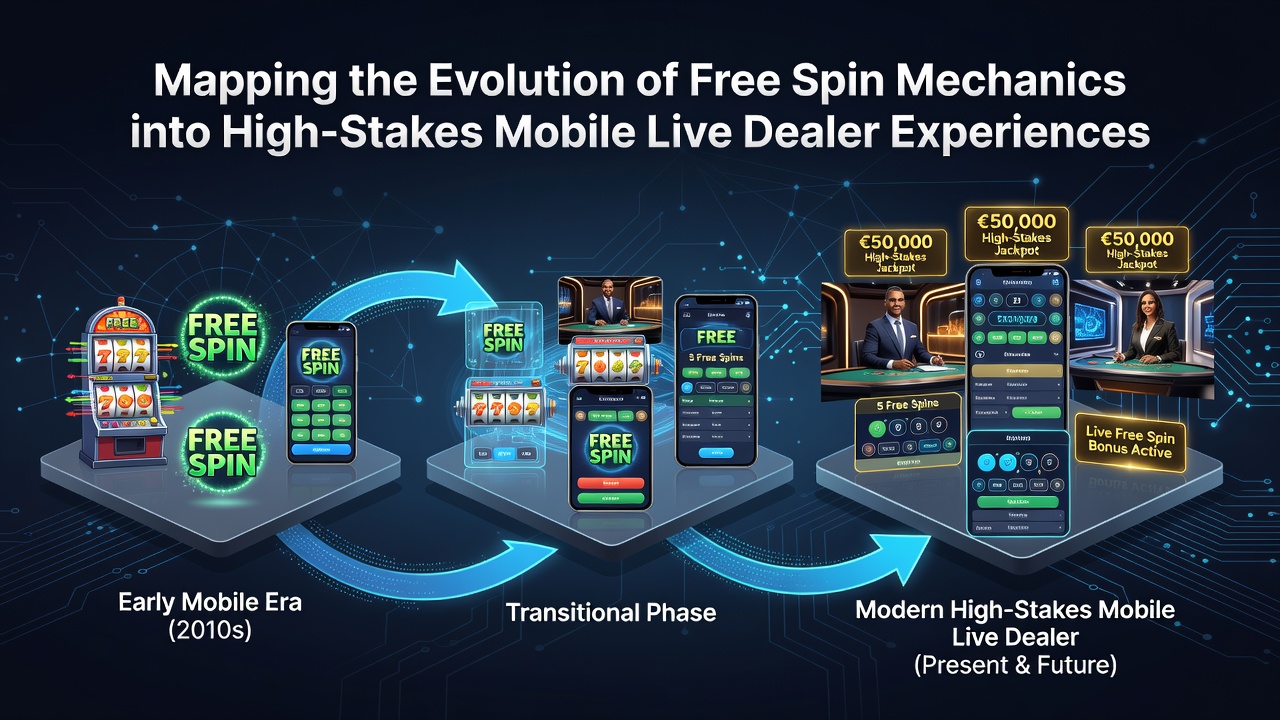
By 2015, mobile applications began incorporating these features with touch-optimized interfaces, and figures from market analyses reveal that session times increased as users accessed spins through portable devices rather than desktop setups alone. Experts have observed that this shift coincided with improvements in data connectivity across Britain, allowing operators to test hybrid models that combined automated spins with introductory live elements such as dealer-hosted bonus rounds.
Integration with Mobile Live Dealer Platforms
Live dealer experiences entered the UK market around 2008 through basic webcam feeds, yet the fusion with free spin logic accelerated after 2018 when operators added mobile apps that supported both automated and interactive play. Data shows that in July 2026, several licensed platforms reported growth in high-stakes tables where free spin mechanics triggered entry into live roulette or blackjack sessions with minimum bets starting at £50 per hand. Those studying platform updates note that software providers adapted RNG-based spin triggers to interact with real-time dealer streams, creating sequences where accumulated spins unlock elevated table limits or side bets unavailable in standard modes.
What's interesting here is how regulatory frameworks outside the UK, such as those referenced in reports from the European Gaming and Betting Association, highlight parallel developments in other jurisdictions that influenced British adaptations. Operators in Britain incorporated similar cross-mechanic features while maintaining compliance with local licensing that requires transparent probability disclosures for both spin and live components.
Regulatory Context and Technological Milestones
British authorities have enforced strict standards on bonus mechanics since the Gambling Act 2005, and subsequent updates addressed mobile live dealer integration by mandating clear separation between promotional spins and real-money table play. Research indicates that by 2022, platforms introduced API connections allowing free spin accumulations to feed directly into live environments, with verification processes ensuring that high-stakes eligibility aligned with age and location checks. Observers note that this technical layering reduced friction for users moving from low-stake spins to premium tables, though it also required enhanced auditing protocols to track fund flows across formats.
Case examples from licensed operators demonstrate that partnerships with international providers, including those based in Malta and the Isle of Man, accelerated the rollout of these hybrid systems. Figures reveal that mobile live dealer traffic in Britain grew steadily through 2025, with free spin mechanics serving as entry points that converted into sustained high-stakes participation when combined with VIP reward structures.
Current Landscape in July 2026
As of July 2026, the evolution continues through refinements in user interface design that embed spin trackers within live table dashboards, and studies from research institutions such as those affiliated with the University of Nevada's gaming analytics programs show comparable patterns in other regulated markets. British platforms have adopted these insights to offer sequences where free spins on mobile slots transition automatically into dealer-led games at stakes scaled to player history. Those who've reviewed transaction data find that this progression maintains separation between promotional and cash play while meeting transparency requirements set by oversight bodies.
Additional milestones include enhanced encryption for mobile streams and real-time analytics that adjust live table availability based on spin-derived player profiles. The reality is that these developments reflect broader industry shifts toward convergence of automated and human-led formats within Britain's controlled environment.
Conclusion
The mapping of free spin mechanics into high-stakes mobile live dealer experiences represents a documented progression driven by technological integration and regulatory adaptation across Britain's casino sector. Evidence from multiple sources confirms that this evolution has produced platforms capable of supporting both casual and premium play styles through unified mobile interfaces, with ongoing adjustments expected as connectivity and compliance standards advance further.